Shop this guide
The pieces this guide reaches for, from the RED by KISS range.
Styling Guide · Edge Styling
Everyone owns an edge gel. The difference between a morning swoop and an all-day swoop is technique, not the jar.
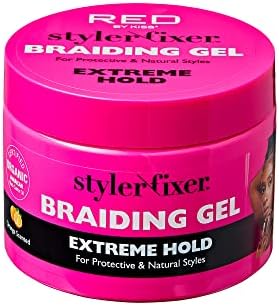
Gel on top of old gel builds a white, flaky crust by the second day — edges need a clean slate more than they need more product. Wipe the hairline with a damp cloth or wash it at the sink, then work on barely damp hair: dripping wet dilutes the gel, bone dry resists it.
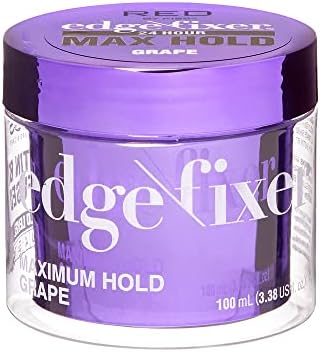
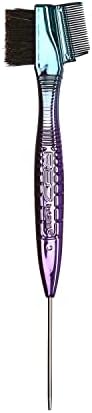
Scoop with the back of a nail, not a finger dip. A pea-sized amount of edge control covers a whole temple; more than that never dries and slides all day. Work it through with the brush side of a dual-ended edge brush, shaping swoops with the fine end. Brush in the direction you want the hair to lie, smoothing from root outward — scrubbing back and forth roughs the cuticle and reads fuzzy the moment it dries.
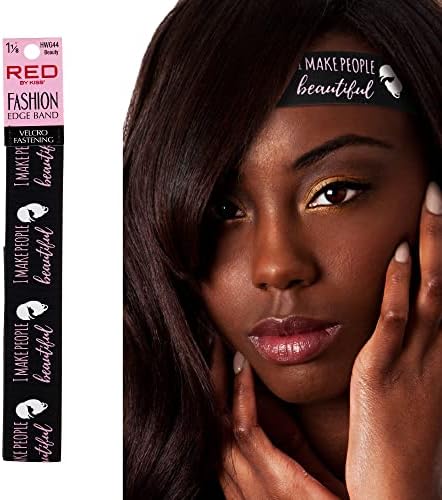
Tie a satin scarf or an elastic edge band over the finished hairline for ten to fifteen minutes. The band does for edges what a compression band does for lace: even pressure while the product sets. Edges that get the scarf set survive commutes, workouts and weather that free-air edges do not. This is the single highest-return step people skip.
Edges are the finest, most fragile hair on the head, and they are being styled daily with hold products and tension. Give them nights off: wash the gel out, moisturize the hairline, and sleep in satin so the pillow is not sanding them flat — the bonnet guide covers the options. If a style pulls at the temples, loosen it; no swoop is worth traction loss. Healthy edges lay better with less product, which is the quiet secret of every clean hairline you have envied.
The pieces this guide reaches for, from the RED by KISS range.