Shop this guide
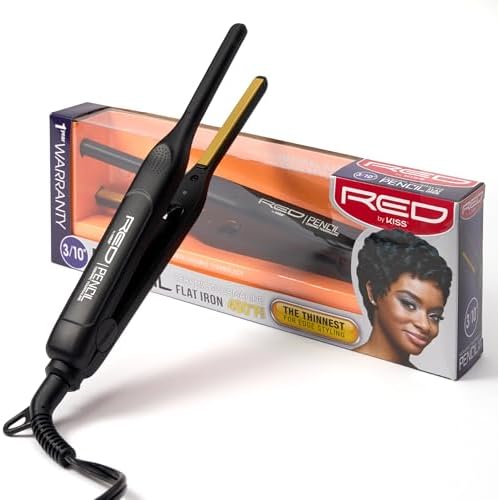
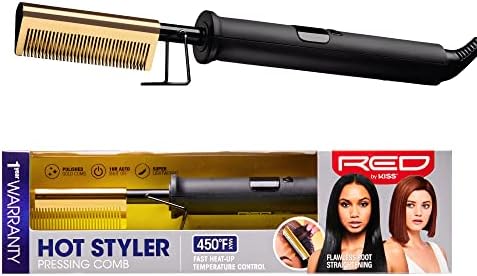
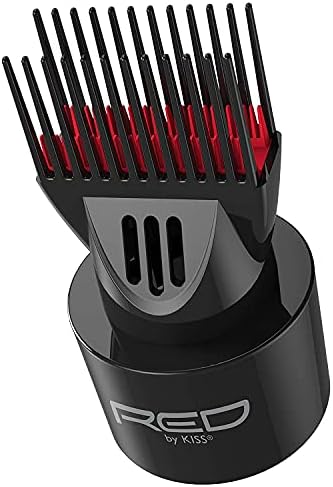
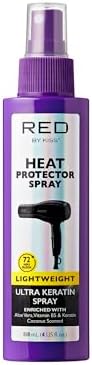
The pieces this guide reaches for, from the RED by KISS range.
Styling Guide · Heat Styling
A silk press is not one pass of a flat iron — it is a sequence, and the sequence is the difference between swing and scorch.
A silk press sits on whatever is in the hair when the heat hits, so start with a clarifying wash. Old gel, oil and dry shampoo turn into buildup that hisses under the plates and dulls the finish. Shampoo twice, condition deeply, and rinse until the water runs clear. Rough-dry nothing: blot with a T-shirt or microfiber towel and let the hair reach damp, not dripping, before any heat.
Section into four to six parts and blow-dry each with tension — a dryer with a comb or pik attachment pulls the section straight while the air moves down the shaft. The straighter the blow-dry, the fewer flat iron passes you need later, and passes are where damage lives. Apply heat protectant to every section before the dryer touches it, not after.
The single most common silk press mistake is one temperature for the whole head. Use the ranges below and start at the bottom of your range — you can always add heat, you cannot un-burn a strand.
| Hair | Flat Iron Setting |
|---|---|
| Fine, fragile or previously damaged | 250–300°F |
| Color-treated | 275–325°F |
| Medium, healthy texture | 300–350°F |
| Thick or coarse | 350–400°F |
| Dense 4C, experienced hands | 400–450°F max |
Work in thin sections — a section thicker than the plates will need multiple passes at higher heat, which is worse than one pass on a thin section. The chase method (a fine-tooth comb moving just ahead of the iron) keeps tension even and cuts passes to one. The full temperature chart also lives in the heat guide on the home page.
Flat iron plates cannot get close to the scalp safely; an electric hot comb can. Use it for the first inch at the root, the nape and around the hairline, where new growth resists the press. Keep it moving — a resting hot comb is a branding iron.
Reversion is moisture, so the aftercare is moisture control. Wrap the hair at night or pineapple it loosely, cover with a satin or silk bonnet, and skip water-based stylers until the next wash day. In humid weather a light serum sealing each section buys days of extra swing. When the press finally gives up, let it — re-pressing dirty hair layers heat on buildup. A silk press done this way lasts one to two weeks and leaves the curl pattern exactly where you left it.
Sleeping-in-satin habits do half the work of keeping a press alive — the bonnet guide covers picking the right one.
The pieces this guide reaches for, from the RED by KISS range.